Published by
Why We’re Speaking with Kleiner Perkins
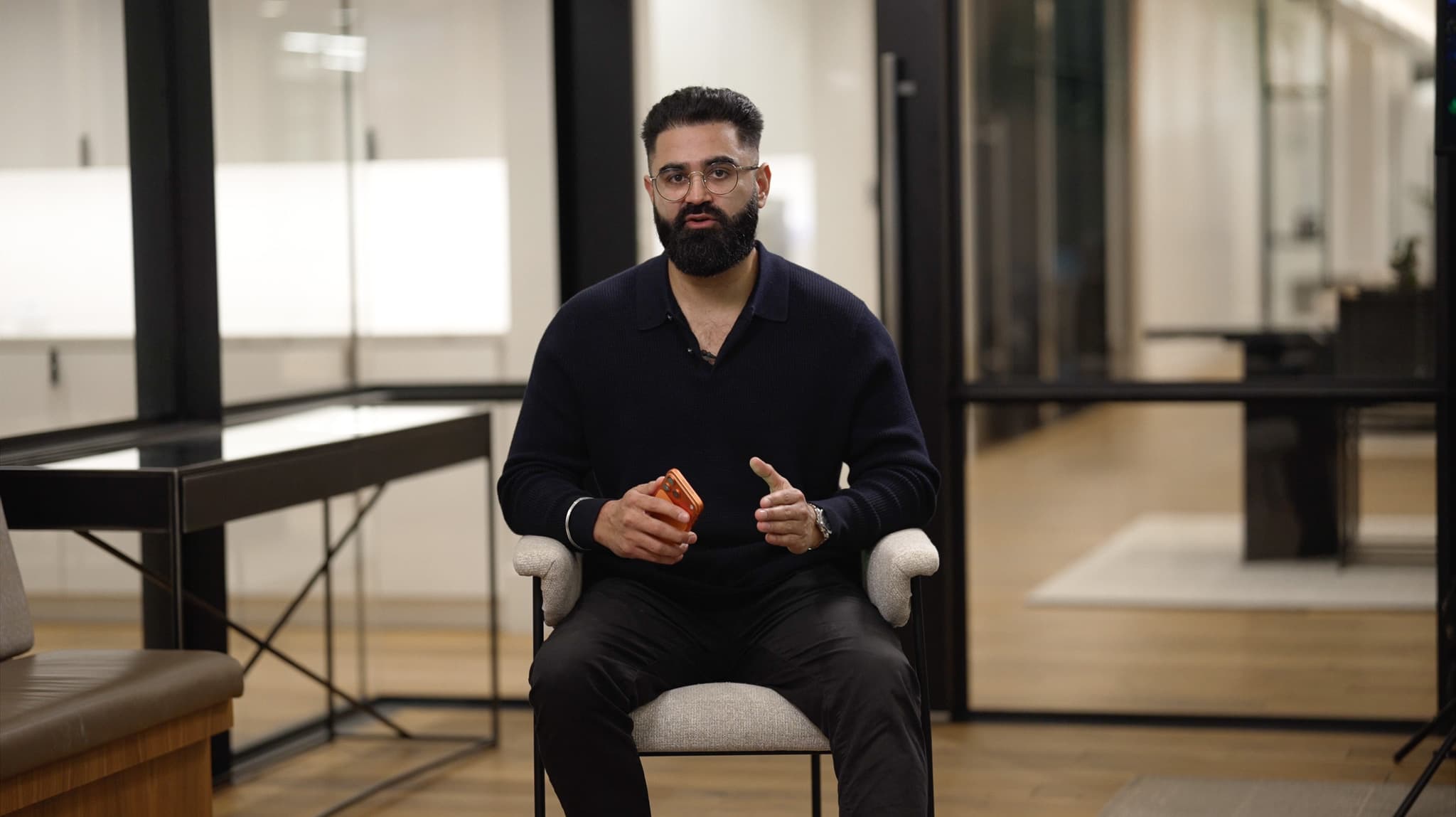
Kleiner Perkins is one of the world’s most iconic venture firms, known for backing category-defining companies like Google, Amazon, Genentech, Uber, and Stripe — and now, Lotus Health AI; we met to discuss the current state of healthcare and how Lotus is building a new model that can change it forever.
In this discussion KJ Dhaliwal (Co-Founder and CEO, Lotus AI) is speaking with Mamoon Hamid (partner, Kleiner Perkins) and Annie Case (Partner, Kleiner Perkins).
Our Conversation
Annie Case
100 million Americans are living with undiagnosed chronic conditions, and nearly a million people die every year from preventable causes.
KJ Dhaliwal
That's right. The problem is we’re spending $5 trillion a year on healthcare in America, which is more than the entire GDP of the country of India, and yet the outcomes are really bad. So we built a product that is centered around the patient and gives the patient what they need in a timely fashion. The problem today is that care is so inaccessible and expensive that people delay care. Primary care was really the solution to the problem, and going direct to the patient was the best approach to solve it.
Mamoon Hamid
Most healthcare innovation is provider- and payer-first. Why did you decide to go after the patient first?
KJ Dhaliwal
A lot of innovation happens for providers and payers because they pay the most, but patients usually aren’t part of that system. We thought the best way to actually solve the problem was to cut out the noise and build a product that the patient uses directly. We don’t have enough doctors, and we can’t magically create more. It takes over ten years of training. That’s where technology, especially AI, can really bring the cost of care down. We’ve built systems on the backend to help clinicians be ten times more productive.
Annie Case
You describe Lotus as the power of a thousand clinicians in your pocket. For someone who’s not yet familiar with Lotus, what does that look and feel like day to day?
KJ Dhaliwal
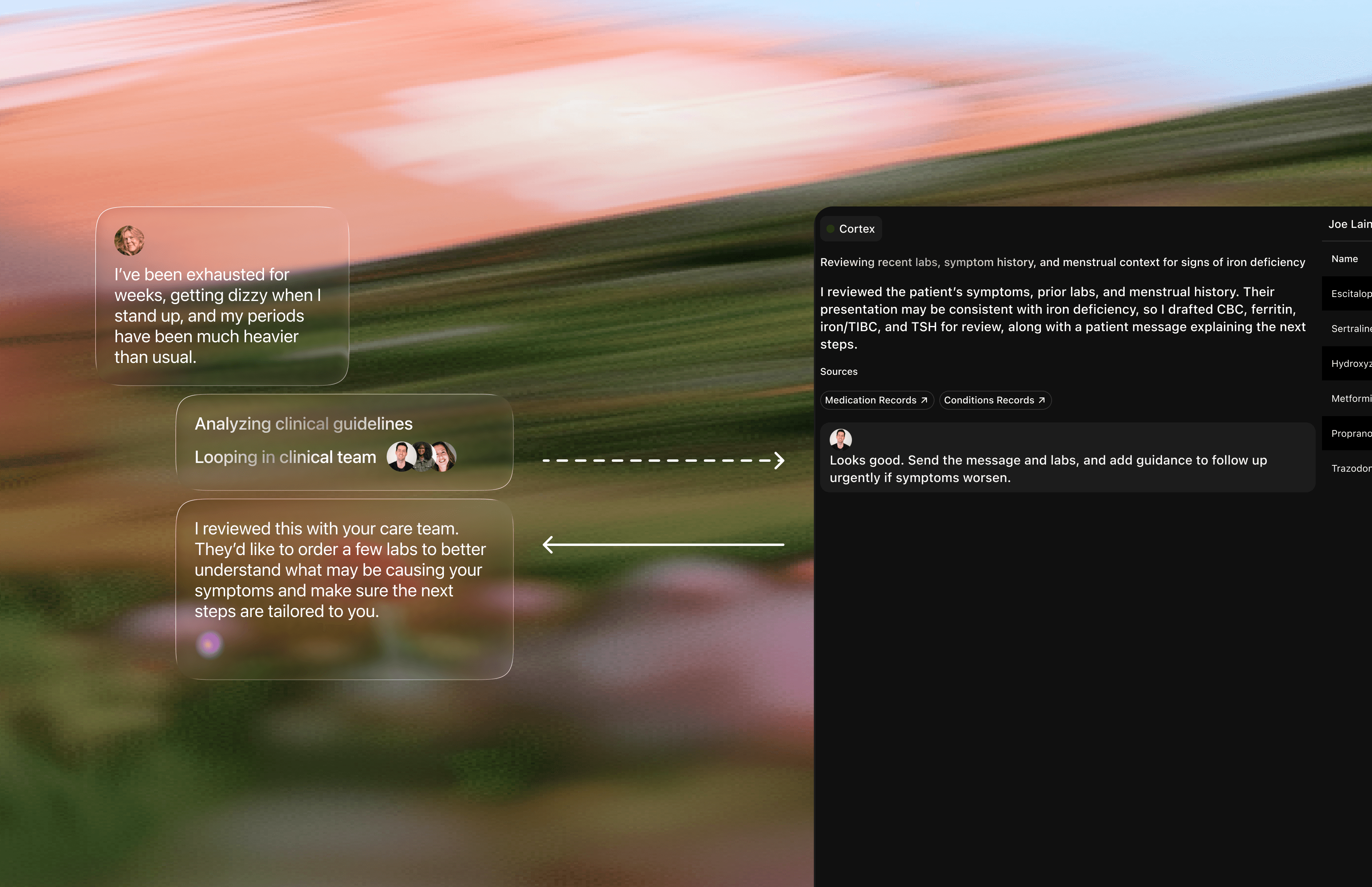
It’s like opening an app and getting the best possible medical advice. You can talk to Lotus with confidence that it understands your entire health history. The answers are grounded not only in your health history, but also the latest evidence, medical research, and clinical guidelines. We like to say we’re building the world’s best AI doctor powered by real doctors.
Annie Case
You’re already seeing many patients today having great experiences. What have you learned about what modern primary care should look like?
KJ Dhaliwal
One of our patients was misdiagnosed for 35 years with lupus. Hours after becoming a Lotus patient, Lotus flagged to one of our clinicians that she might have MCAS instead. Our clinicians recommended an over-the-counter medication, and the next day she was better after 35 years of suffering. Lotus also surfaced conditions in her medical records that doctors didn’t have time to explain. She didn’t know she had a peptic ulcer from a prior hospital visit, and Lotus helped her understand and take care of it at home. Things like this are already transforming lives with Lotus.
Mamoon Hamid
You describe Lotus as a movement, not an app. How do your values show up in the product, the AI, how you work with clinicians, and the trust and privacy of patient data?
KJ Dhaliwal
Privacy and trust are foundational to what we’re doing because we’re dealing with very sensitive data, and patients have a voice now that they’ve never had in healthcare. We built a strong clinical advisory board with medical doctors from Stanford, Harvard, and UCSF who have been there from day one. They’ve helped design the product in a way that focuses on patient care. All of that together moves Lotus from being an app to a trusted relationship.
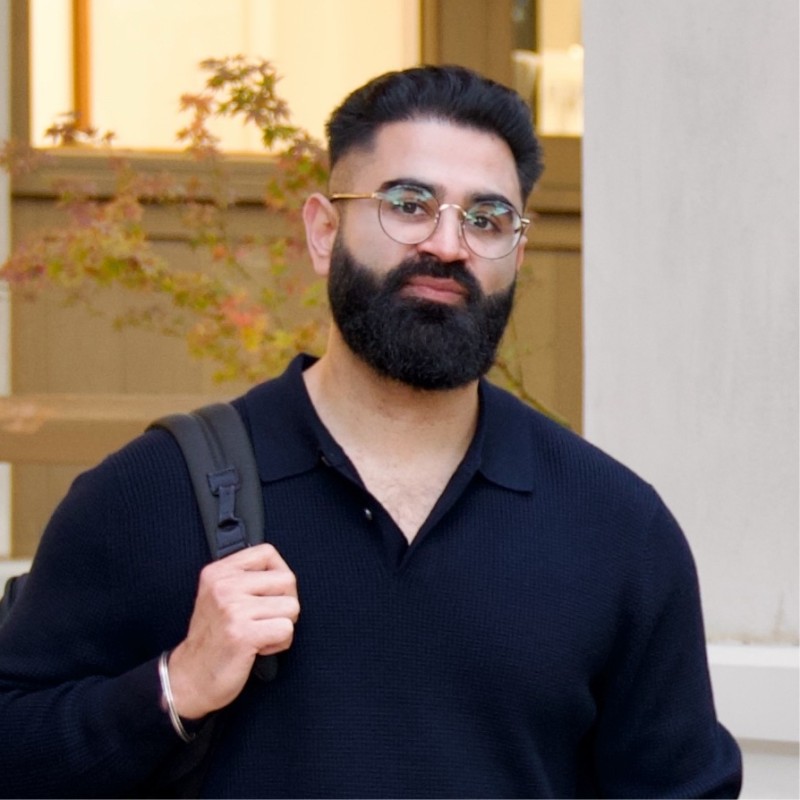
KJ Dhaliwal
Founder & CEO
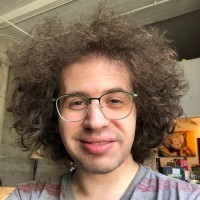
Zekka Nelson
Founder & CTO

Aidan Cole
Founding Chief Growth Officer (ex-Underlining, ex-Dil Mil)

Daniel Fleury
Founding Technical Staff (CS & Cognitive Science @ Johns Hopkins)
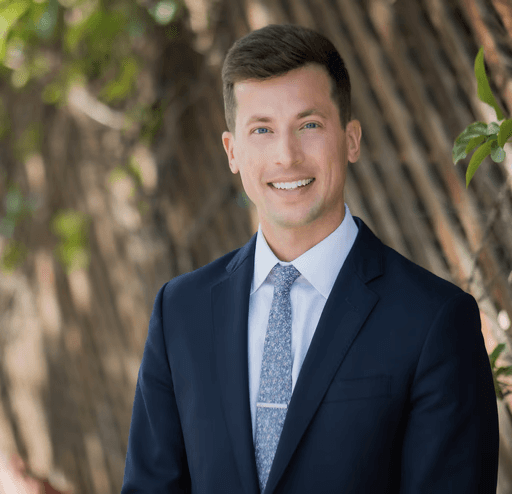
Nicholas Stark, MD
VP of Clinical Strategy (MD @ Georgetown, EM @ UCSF)
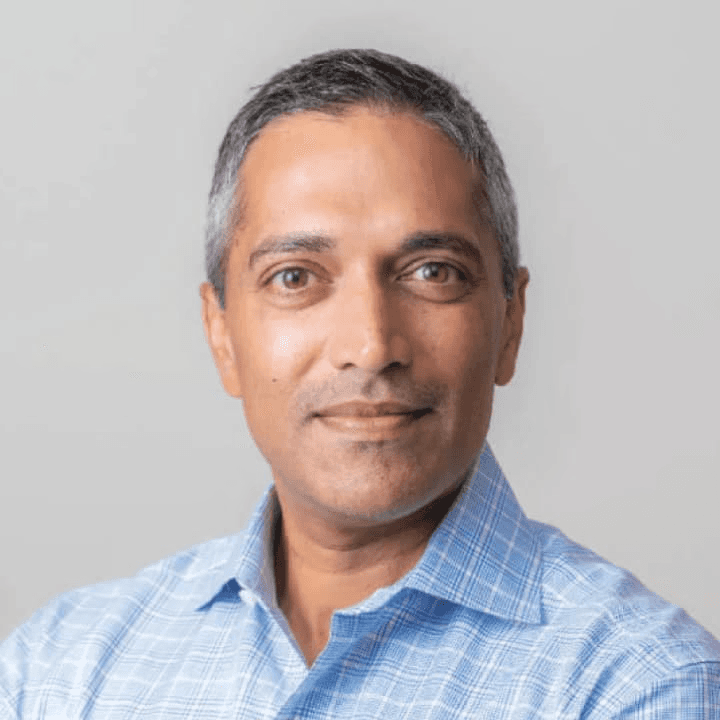
Aravind Mani, MD
VP of Medical Affairs (MD @ Stanford, Internal Medicine @ UCLA)

Varinderjit Kaur, MD
Head of Clinical Operations (Internal Medicine @ USF Morsani, UCSF Hyde)
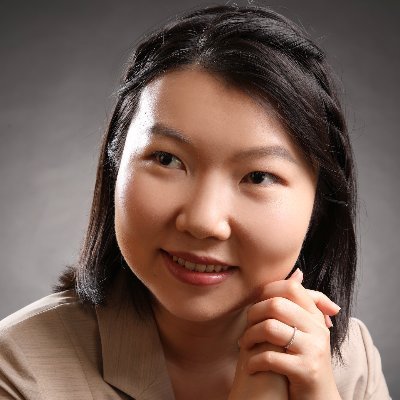
Zili Shen, PhD
Member of Technical Staff (Yale PhD)
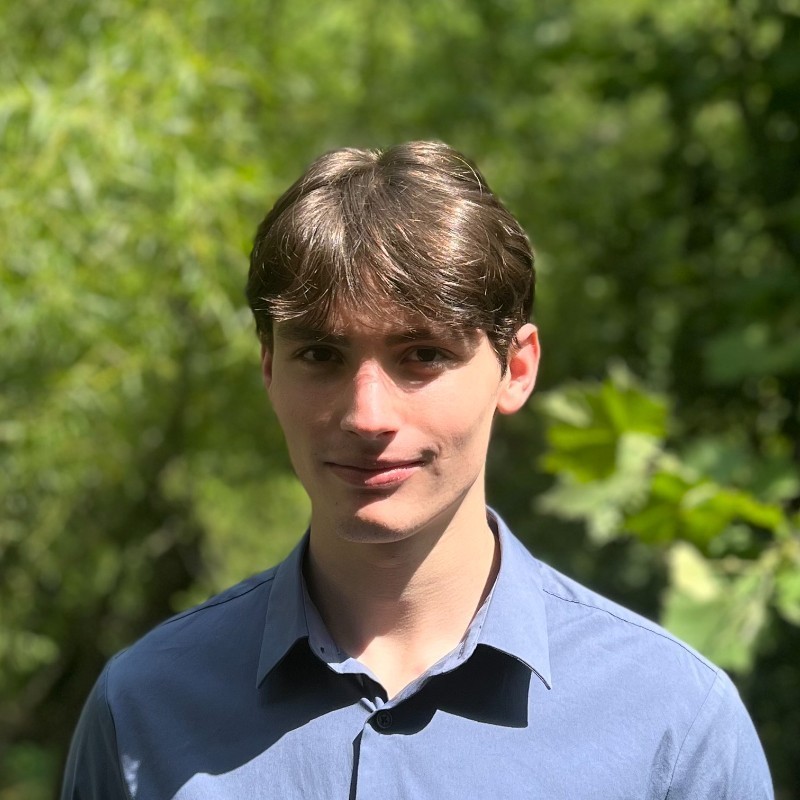
Marcell Borhi
Research Engineer (CS @ IU, Biostatistics Graduate @ Berkeley)
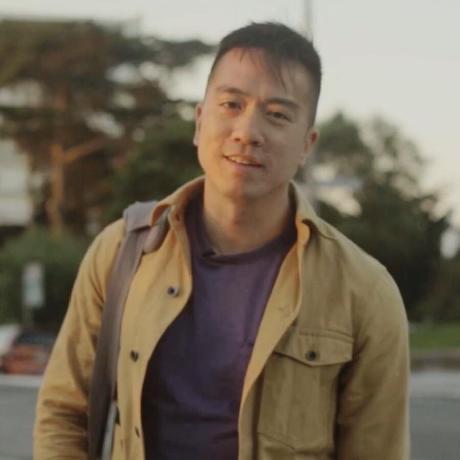
Merrick Poon
Senior iOS Engineer (ex-Tinder)
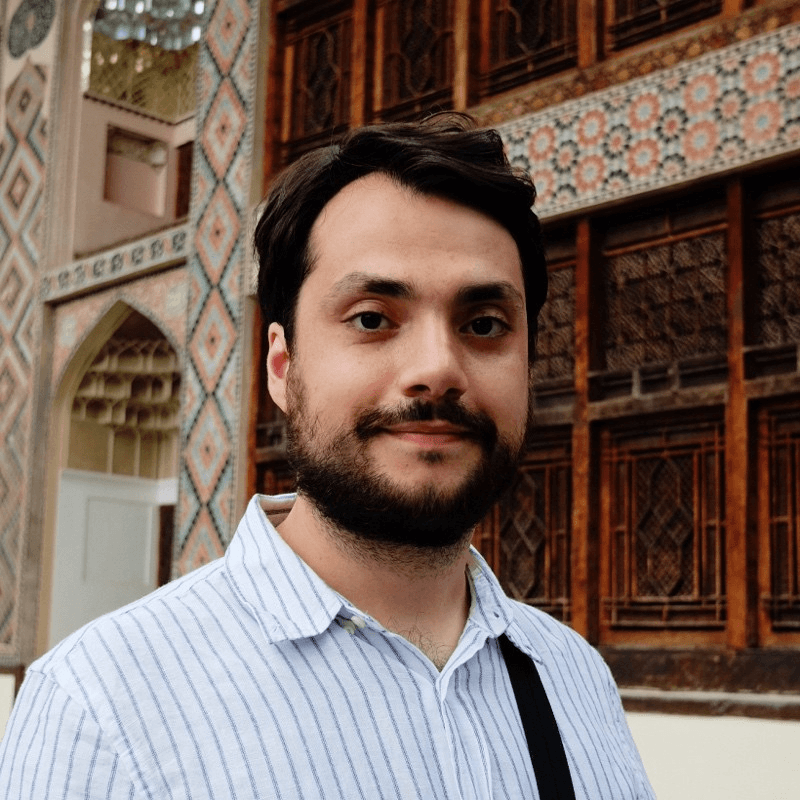
Tahir Alizada
Senior Member of Technical Staff (Berkeley CS, ex-Splunk)